The press often champions the “martyr” narrative. Yet rights come with limits: freedom must be exercised without infringing on others’ rights or disturbing public peace.
Fake constitutionalism is increasingly undermining America’s legal framework. Public officials, political commentators, and media figures frequently invoke dubious interpretations of constitutional principles—to shift blame for their allies’ unacceptable actions or shield otherwise unlawful behavior. This trend erodes constitutional governance by spreading misconceptions about what our Constitution truly means.
The First Amendment certainly protects a reporter’s right to publish information. But it does not shield unlawful activity undertaken in pursuit of that information. Regrettably, the First Amendment has become a hotspot for fake constitutionalism. Americans—even constitutional lawyers—now routinely overstate its protections, stretching its scope far beyond what the Founders intended when drafting this essential provision.
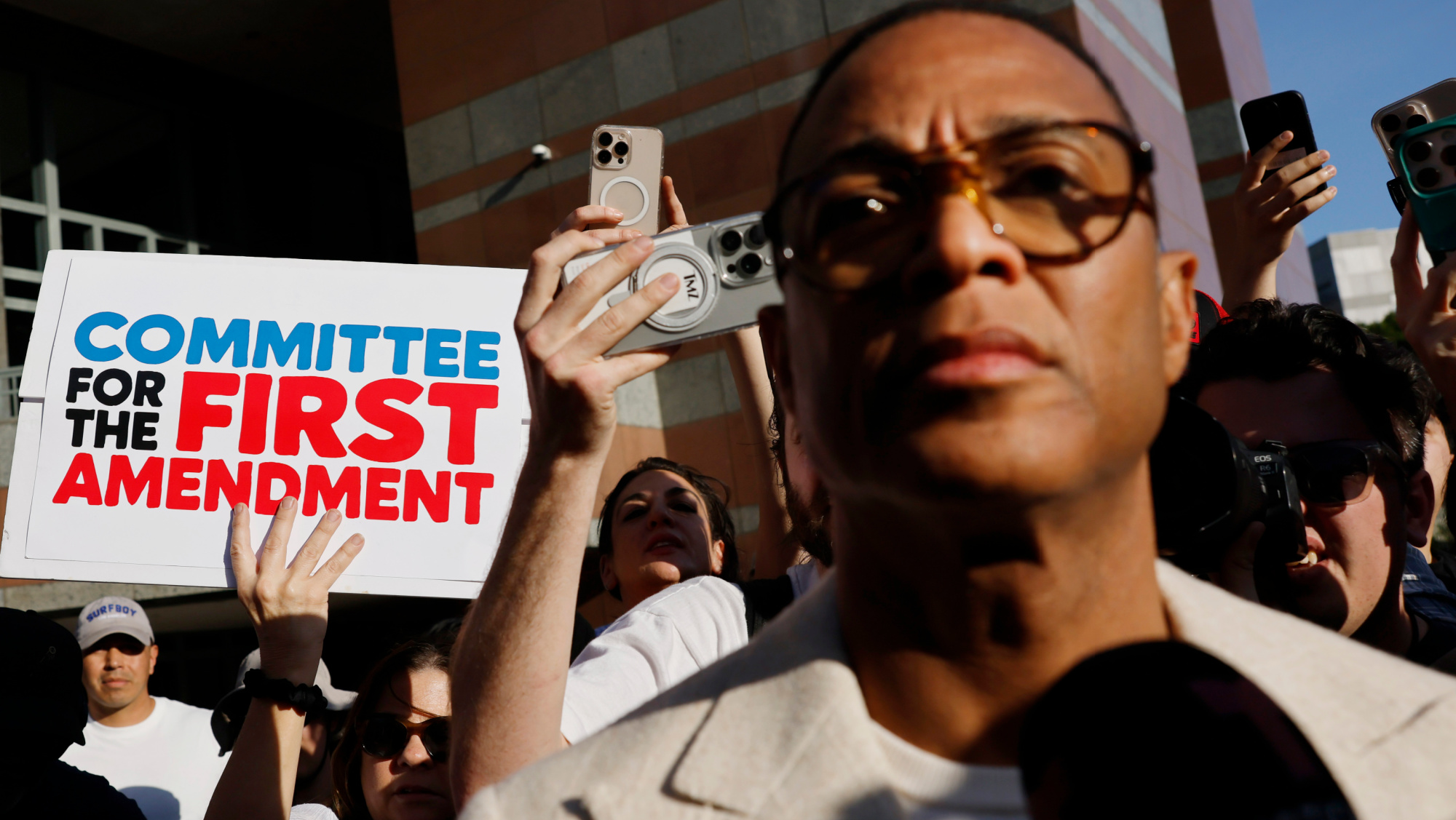
The most recent example: misplaced outrage over alleged First Amendment violations in Don Lemon’s arrest.
Lemon, formerly of CNN, was detained on January 30 for his role in disrupting a service at Cities Church in St. Paul, Minnesota. He accompanied and filmed protesters who stormed the church to express disapproval of Immigration and Customs Enforcement operations in Minneapolis (an elder of the church is reportedly an ICE agent). The Department of Justice charged Lemon and others with violating the FACE Act and conspiracy to deprive individuals of civil rights—specifically their right to gather and worship peaceably.
In a statement, Lemon’s lawyer, Abbe Lowell, characterized the charges as “an unprecedented attack on the First Amendment.” She argued: “Don has been a journalist for 30 years. His constitutionally protected work in Minneapolis was no different than what he does every day. The First Amendment exists to protect journalists who shine light on truth and hold power accountable.”
This defense, echoed by many journalists and commentators, claims Lemon should not be held accountable for his actions. However, the First Amendment does not grant protection to journalism as an activity or journalists as a class. It safeguards specific, narrowly defined conduct: speech and publication. The framers’ language makes this clear: “Congress shall make no law … abridging the freedom of speech, or of the press.”
Historical context underscores this narrow scope. Debates over the Sedition Act of 1798 revealed that even prominent statesmen like Thomas Jefferson and James Madison condemned its provisions, while others such as Alexander Hamilton defended it. The discussion centered on punishing certain publications—not shielding unlawful acts committed in pursuit of publishing.
Early legal scholars further clarified this understanding. Justice Joseph Story’s “Commentaries on the Constitution” emphasized that the First Amendment protects only the right to speak and publish—rights belonging to every individual, not just journalists. Accepting Lowell’s interpretation would be absurd and unacceptable. It would treat journalists as a privileged class permitted to commit unlawful acts in pursuit of stories.
In reality, the law operates without such exceptions. A reporter speeding 100 miles per hour through town for a story faces traffic charges—just as a journalist causing an accident that kills someone can be prosecuted for negligent homicide. The First Amendment protects the right to publish information but not unlawful activity undertaken in pursuit of it. Such activities fall under other legal protections, including privacy and property rights.
Lemon and the protesters committed identical misconduct: entering a church during service without permission, disrupting worship, and preventing congregants from exercising their constitutional right to gather peacefully. The First Amendment offers no protection for either. Critics who condemn the disruption but claim Lemon should be exempt argue his actions were different. Yet they were not—Lemon participated in the same unlawful behavior as the protesters. To charge others but not Lemon would treat him as part of a privileged class with unfettered legal rights.
This inconsistency would unravel constitutional law. If protesters made political points protected by the First Amendment, they erred by choosing an unlawful method to express them—just as Lemon did. Consider another scenario: Suppose a group disrupted a church service where a civil rights lawyer was present, bringing along a sympathetic reporter to film the event. Would any reasonable American view this as a First Amendment-protected protest?
Justice Story’s principle remains critical: “the exercise of a right is essentially different from an abuse of it.” Common sense dictates that freedom must not infringe on others’ rights or public safety. The Founders designed the Constitution to protect all Americans equally—beyond professional journalists alone. Defending Lemon’s actions would imply anyone with a recording device could break into a neighbor’s home and claim immunity for disrupting legitimate activities.
This chaotic standard is not what the First Amendment requires—and it would undermine public order itself.