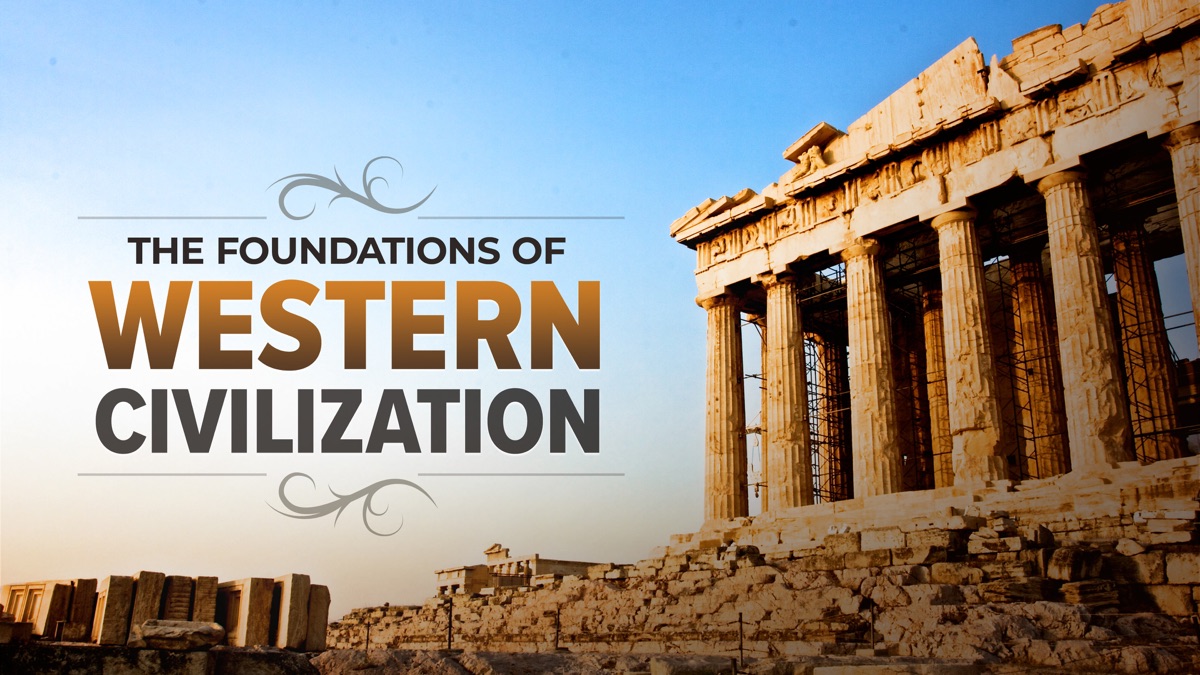
Western civilization can’t survive if it forgets its true foundation. For policymakers and citizens sick of decades wasted on failed globalist experiments, Marco Rubio’s nationalist speech in Athens on Wednesday was a huge gulp of fresh air. The alternative to collectivist one-world ideology can sound almost embarrassingly obvious: Nations should pursue their own interests, recover confidence in their inheritance, and cooperate from a position of strength rather than dissolution.
Rubio’s setting made the point for him. Speaking at the Pnyx beneath the Acropolis, he traced America’s inheritance through Athens, Rome, Christendom, medieval Europe, and England. He called for the West to recover the ambition, confidence, and national power it once took for granted. His speech made the civilizational case in deliberately grand terms.
Pretending the Eastern Romans never existed — or that they have nothing to tell us about who we really are — leaves us poorer, more arrogant, and less prepared for the trials ahead.
But his civilizational reset could have been stronger and surer. The great omission was the thousand-year span defined not by Athens, Rome, or even Jerusalem, but by Constantinople — capital of the Eastern Roman Empire and guardian of a Roman Christian civilization that survived long after the political West had collapsed.
Its final outposts fell only about three decades before Columbus reached the Americas. For perspective, 30 years ago the Unabomber was arrested, the first Motorola flip phone appeared, and IBM’s Deep Blue became the first computer to beat a reigning world chess champion in a game under standard tournament conditions.