Rand Paul’s committee will vote on a contempt resolution, but Fauci’s Fifth Amendment defense and shaky autopenned pardon may still let him walk. Anthony Fauci is probably going to skate. He should not. But nearly every institutional and political incentive now points toward that outcome.
Americans who watched Fauci invoke the Fifth Amendment more than 100 times before the Senate are understandably furious. They may also be headed for an epic letdown when the man they most want held accountable resumes his life in pompous peace.
Public frustration will rise when people realize that Fauci may leave Congress untouched after pleading the Fifth more than 100 times.
The first obstacle is the legal uncertainty surrounding Fauci’s autopenned pardon. The pardon was signed by autopen, and substantial evidence raises questions about whether President Biden personally authorized it. A presidential pardon is an authority only the president may exercise.
In Fauci’s case, the written record includes an email from Biden chief of staff Jeff Zients on the final evening of the administration. Zients emailed: “I approve the use of the autopen for the execution of all of the following pardons.”
Biden later stated in an interview that he had approved broad categories of pardons rather than, in every instance, specific names. That admission came from a source that had initially dismissed the Oversight Project’s autopen disclosures in an article headlined “How an Autopen Conspiracy Theory About Biden Went Viral.” Within months, that entity moved from ridicule to damage control.
The basic facts are therefore established: Fauci’s pardon was executed by autopen, and serious questions remain about Biden’s awareness and authorization.
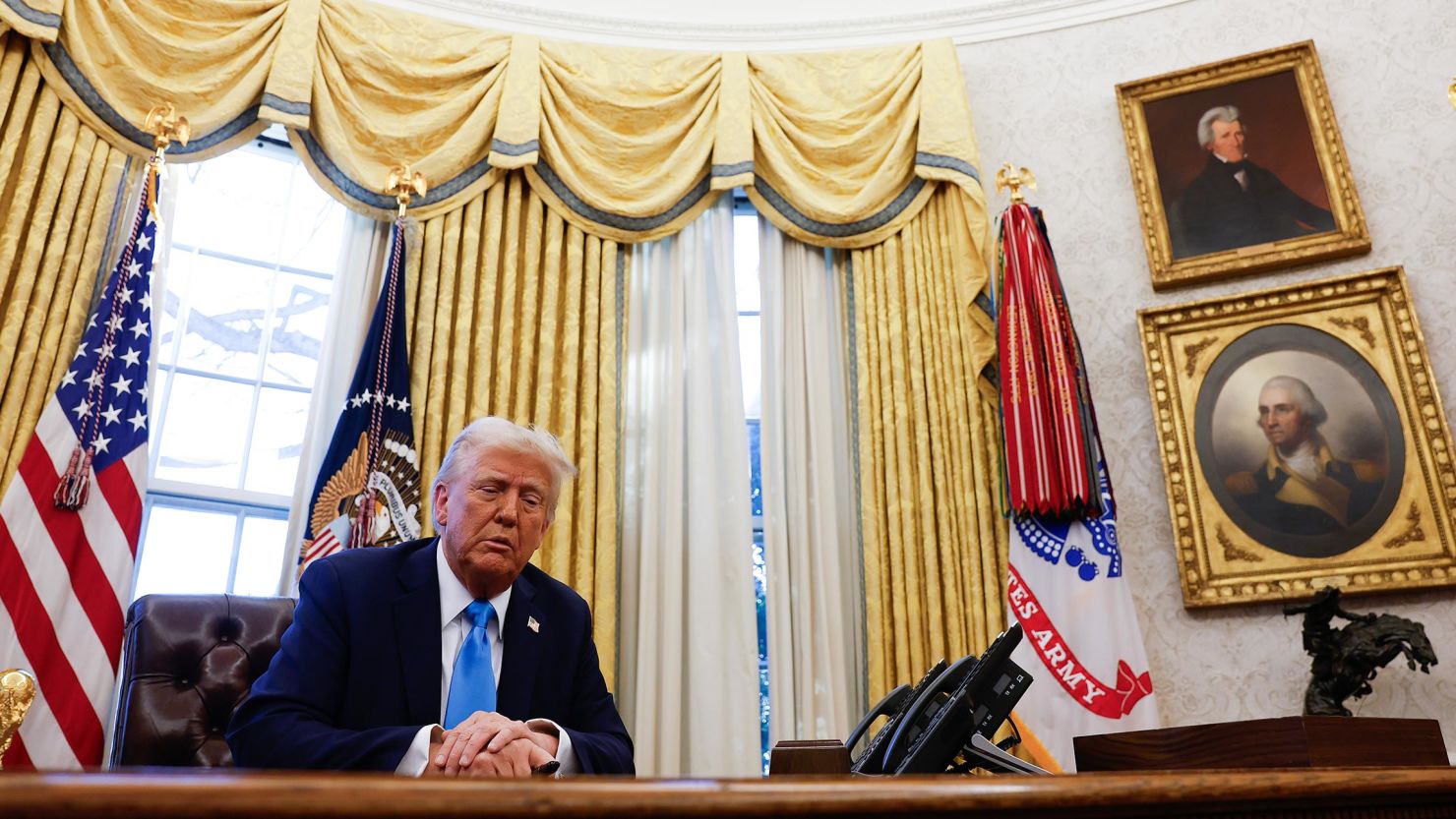
President Trump has called the autopen controversy the scandal of the century and declared the affected actions “VOID, VACANT, AND OF NO FURTHER FORCE OR EFFECT.” The Department of Justice, however, has behaved as though that declaration carries no legal consequence.
That gap between political assertion and prosecutorial action is decisive. Questioning a pardon’s validity in public is one thing. Charging someone whose defense rests on that pardon is another. So far, the Justice Department has shown no appetite for testing the issue in court.
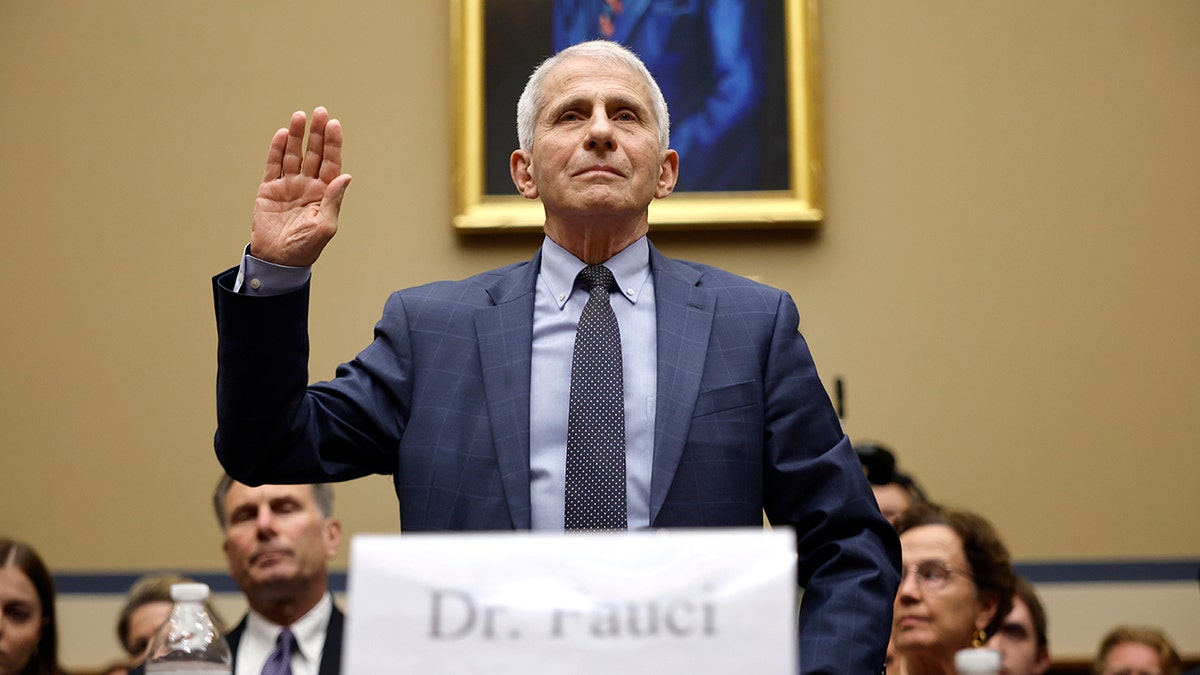
Fauci’s Senate testimony exposed the contradiction at the center of his position. He repeatedly invoked the Fifth Amendment, arguing that Sen. Rand Paul (R-Ky.) was trying to lure him into statements that could support a perjury referral.
In his opening statement, Fauci said: “The only conclusion I can reach is that the sole reason he is calling me before this committee is to get me to say something — anything — that could vindicate his repeated public pledges that I end up, in his words, ‘behind bars.’”
A witness may invoke the Fifth Amendment when he genuinely believes his answers could expose him to criminal liability. The privilege is not a general escape hatch from politically uncomfortable questioning.
Fauci’s plausible claim of criminal exposure rests, at least in part, on the uncertainty surrounding his pardon. But relying on that uncertainty means conceding that the pardon may not be beyond challenge.
If Fauci insists the pardon is unquestionably valid and no prosecution is possible, he weakens the basis for invoking the Fifth. If he claims a real risk of prosecution, he implicitly acknowledges that the pardon may not protect him.
The same cloud that threatens the pardon also strengthens his Fifth Amendment claim.
That sounds like vulnerability. In practice, it may protect him.
There is still no sign that the Justice Department plans to prosecute Fauci or anyone else in a case designed to test an autopen action. The department has not challenged a single autopenned pardon or commutation.
Worse, the Trump administration continues releasing offenders whose sentences Biden shortened by autopen. The executive branch is carrying out the very orders the president has publicly described as nullities.
For the Oversight Project, that contradiction is more than theoretical. It’s incredibly frustrating. Putting violent felons back on the street is difficult to reconcile with the claim that autopenned acts are void.
Could Congress hold Fauci in contempt for invoking the Fifth rather than answering questions? Possibly. Probably not.
Fauci would likely show enough basis to argue that Paul sought a criminal referral and that the uncertainty surrounding his pardon created a genuine risk of prosecution.
Any challenge would probably be litigated in federal court in Washington, D.C., a venue far friendlier to Fauci than many others. That venue alone improves his odds.
The political barriers are even greater. There are almost certainly not enough votes in the Senate to pursue contempt, both because of uncertainty over whether Fauci’s conduct crossed the legal line and because senators fear accusations of political weaponization.
Getting 60 votes to overcome a filibuster is a fantasy. Even clearing Paul’s committee, divided 8-7, may prove difficult. Senator James Lankford (R-Okla.) has already expressed some sympathy for Fauci’s position.
Paul has suggested another path: If the committee approves contempt on Thursday, he could refer the matter directly to the Justice Department or pursue a civil action.
Fauci would immediately argue that a committee cannot exercise the contempt power of the full Senate. He would contend that without a vote of the whole chamber, there is no valid contempt finding to enforce.
The courts are likely to agree. Which leaves the public exactly where it began.
Congress has little chance of imposing consequences. The only meaningful route runs through the Justice Department: charge Fauci, force litigation over the pardon, and finally test whether Biden lawfully authorized it.
That would require the department to abandon the passivity it has displayed so far.
Public frustration will rise when people realize that Fauci may leave Congress untouched after pleading the Fifth more than 100 times.