Voters chose Donald Trump to address rising costs, not to be told by conservative influencers that groceries, gas, and housing are affordable.
The conservative political class has committed one of the most damaging acts of political mismanagement in recent memory. When Biden’s press secretary Karine Jean-Pierre criticized Americans for complaining about the price of staples like milk and eggs, she significantly harmed the Democratic Party. Many voters backed Trump because they trusted him to tackle inflation and the affordability crisis. Now, conservative pundits and influencers are repeating this error, claiming everything is fine while telling consumers that only economic illiterates think groceries, gas, and housing cost too much.
Democrats lost because they disconnected from reality. Republicans have no reason to adopt this strategy.
Elections are not won by lecturing voters that their problems are imaginary. This is basic political wisdom. Professional politicians using this approach months before midterms is both odd and dangerous.
Affordability is not a Democratic talking point or a socialist slogan. It is real, and it will dominate every foreseeable election. Republicans understood this when Biden occupied the White House. The problem did not disappear when Trump returned.
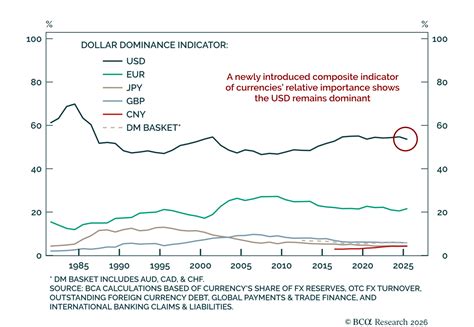
People can feel that the economy isn’t working for them. They see the American dream drifting farther out of reach. Conservative pundits may produce charts, cite aggregate statistics, and claim certain indicators look healthy—but none of that will save the GOP any more than it saved Democrats who insisted “Bidenomics” was working.
The party cannot dismiss this anger as a failure of messaging. Voters do not experience the economy abstractly. They see it at the checkout counter, at the gas pump, when insurance bills arrive, and when another year of saving still leaves a starter home beyond reach. Their judgment is concrete and entirely rational.
While some discretionary goods, like flat-screen televisions, have become cheaper, essentials remain punishingly expensive: food, healthcare, childcare, education, insurance, housing, electricity, and gasoline. Gross domestic product and a surging stock market may comfort those already winning in the economy—but they are poor measures of the daily struggle of families trying to stay afloat.
Many underlying problems are nearly untouchable within a democratic system. The hard truth is that buying votes is often the optimal electoral strategy. No candidate wins by promising voters their benefits will shrink, home values fall, and taxes rise.
Trump understands this better than anyone. He promised not to touch major entitlements, pledged to protect home values, and proposed eliminating taxes on tips. America may be on a slow collision course with fiscal disaster, but no politician wants to lose an election by volunteering to hold the bomb when it explodes.
The American version of this problem has modern features, but the core dilemma is ancient. Large civilizations require immense resources. When rulers can no longer obtain enough through ordinary taxation, they manipulate the currency.
Roman emperors knew little about modern monetary theory, but they understood that reducing the precious-metal content of coins allowed the state to mint more—eventually destroying confidence in the currency and contributing to the collapse of hard money across much of Europe.
There is only so much Trump can do about structural inflation and accumulated debt. He can, however, avoid actions that make the problem worse.
Gasoline is the literal fuel of the economy. Higher prices punish voters at the pump and then reappear in every product that must be transported. Energy bills, food prices, and fuel costs hit households immediately and simultaneously. Voters will remember that squeeze more clearly than any lecture about macroeconomic fundamentals.
The war with Iran has taken on a disturbingly familiar shape. Its champions mocked anyone who warned the conflict might last weeks. Now, as the country approaches a critical midterm election with no end in sight, the same pundits who demanded war now tell voters they are stupid or selfish for noticing its economic consequences.
This was predictable. Once a war begins, controlling its scope and duration rapidly diminishes. Machiavelli put it plainly: “Wars begin when you will, but they do not end when you please.”
The central issue is not that voters have developed a sophisticated position on Iran. Many probably care little about the strategic details. They care that everything costs more. Telling them they lack economic literacy has roughly the same electoral appeal as shooting a puppy on live television.
America has already spent tens of billions on the Iran war and depleted munitions stockpiles that will take years and billions more to rebuild. The Republican House also approved another $8 billion in loans for Ukraine, despite Trump’s promise to end that war immediately.
The United States does not have this money sitting in a vault—it must be taxed, borrowed, or created. Each method imposes a cost on Americans who receive little material benefit from these foreign conflicts.
The political system limits what Republicans can do about inflation. Ending vast expenditures on wars that don’t improve voters’ lives is the most obvious starting point.
The road ahead is difficult, but many of the wounds are self-inflicted. The first step toward recovery is to stop repeating the behavior that caused them.
End funding for the war in Ukraine. Bring American forces home from the Persian Gulf. Stop telling voters that concern over rising prices is foolish, greedy, or manufactured by Democrats.
The GOP still has one advantage: Democrats remain deeply unpopular. Redistricting has improved the Republican electoral map, and the left continues to repel many ordinary voters. There may still be time to limit the damage or even regain momentum.
But first, the war hawks must admit they were wrong—again—and change course.