Noise, water use, and power demand are legitimate concerns. However, transforming these concerns into the unilateral right to veto someone else’s land is a different matter entirely.
The backlash against data centers has escalated dramatically, with localities nationwide implementing outright bans or restrictive zoning regulations. While the concerns are understandable, the political response has been disproportionate.
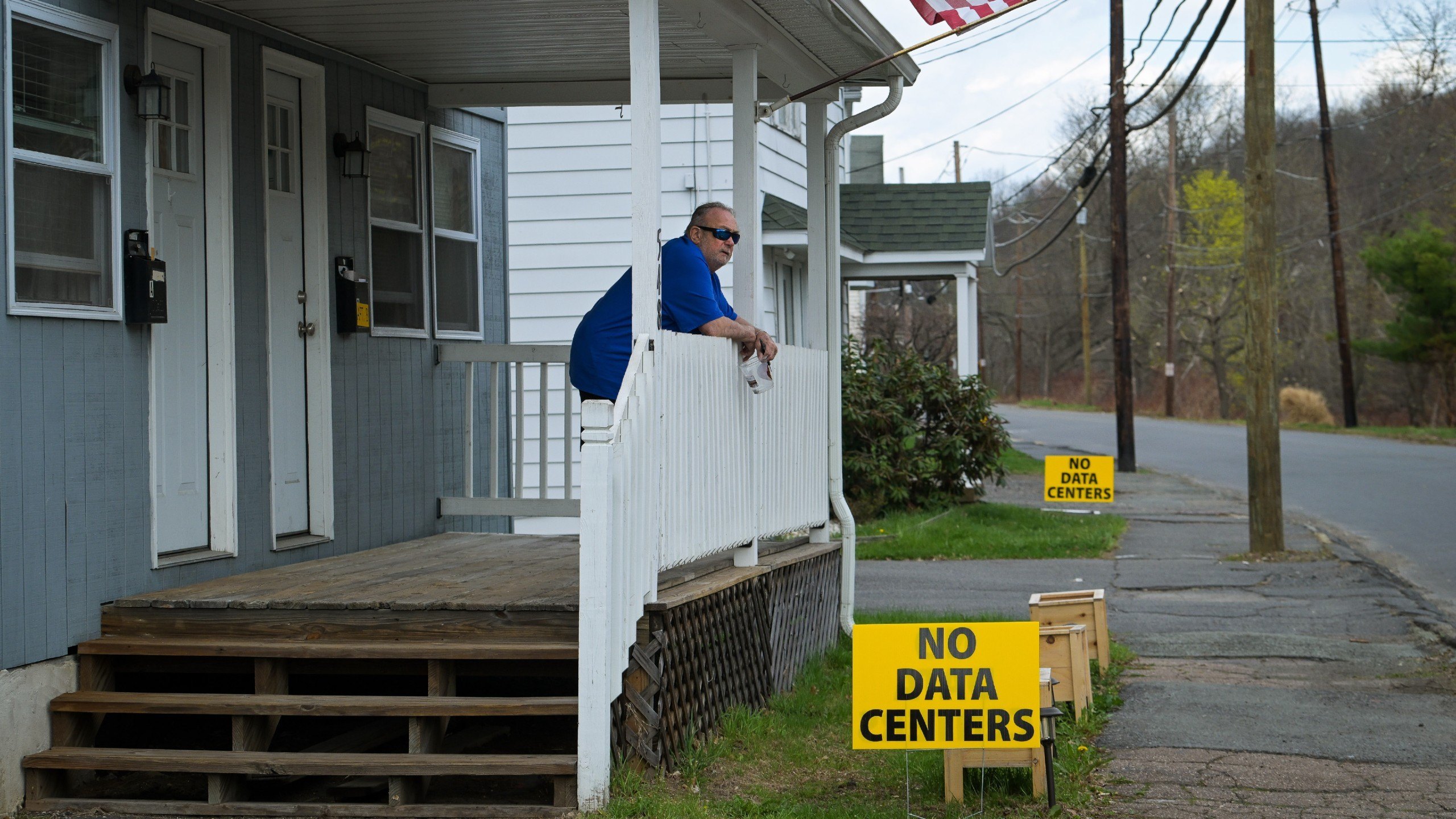
According to the Annenberg Public Policy Center, public opposition to new data centers has surged by 12 percentage points in four months, with 61% now opposing their construction. Opponents held 142 protests across 42 states on July 18 alone, citing water consumption, noise levels, electricity demand, outages, pollution, and declining property values.
For those who object to a data center on a specific parcel, the simplest solution is straightforward: purchase the land.
Politicians have recently turned against the industry. On August 18, Pennsylvania Governor Josh Shapiro (D) signed an executive order imposing “the strictest guardrails in the nation” for data center construction. Shapiro denounced the industry’s history of “running roughshod over our communities to make a buck,” pledging that Pennsylvania would not be “bullied” or “bulldozed” by developers and their lawyers.
Critics noted that Shapiro, facing re-election this year, had previously championed data centers and fast-tracked several projects before the recent backlash.
This trend extends far beyond Pennsylvania. Approximately 210 counties and local governments now have active moratoriums on new data center construction. More than 3,000 facilities operate in the U.S., with another 1,500 under construction, according to Pew Research. Two-thirds of planned facilities target rural areas, while 87% of existing centers are located in urban settings.
It is reasonable to express concerns about potential harm from large enterprises. Citizens have both a right and a moral responsibility to warn property owners and neighbors about possible costs.
However, concern alone does not grant the right to control someone else’s property.
No one can anticipate all consequences—both positive and negative—of a novel enterprise. That is why we have courts: to address actual harm, determine responsibility, and order compensation or punishment when warranted. A functional civil justice system reduces the need for excessive preemptive regulation.
Governments should not impose punitive taxes or regulations specifically on data centers nor subsidize them. Instead, they should allow data centers to pay for their energy use, comply with general laws, avoid privileged access to water or resources, and answer in court if they cause harm.
This approach is superior to attempting to calculate every hypothetical “social cost” in advance and granting regulators the authority to decide which enterprises may proceed. Markets imperfectly reveal costs and benefits, but government regulation often does too—typically with fewer incentives for correcting mistakes.
In a free society, individuals do not have the right to dictate what others do with their property simply because they dislike the proposed use. This principle holds true when “you” becomes “we.” A majority does not gain a moral right to coerce others merely by counting heads.
For those who object to a data center on a specific parcel: buy the land. If you cannot afford it alone, form a consortium. If you can afford it but wish to force the owner to accept your preferred use without compensation, then the problem is no longer the data center—it is your claim to control property you do not own.
Purchasing the land allows you to use it as you wish—subject to the same rules that protect neighbors from actual harm. Mission accomplished.
The developer will relocate elsewhere, taking jobs and local tax revenue to a community that desires such economic benefits.
This process may have imperfections, but voluntary exchange matches scarce resources with those willing to bear costs more effectively than political systems where the loudest coalition simply vetoes uses it dislikes.
Unfortunately, this approach is no longer acceptable for an increasing number of Americans. The backlash against data centers parallels the rise of democratic socialism in one important respect: Both elevate collective control over individual property rights.
Data center developers should seriously consider objections and pay their own way while answering for any harm they cause. However, the reflexive demand to control others’ property due to unpopularity reflects an older political decay.
S.T. Karnick is a senior fellow and director of publications for the Heartland Institute, where he edits Heartland Daily News and writes the Life, Liberty, Property e-newsletter.