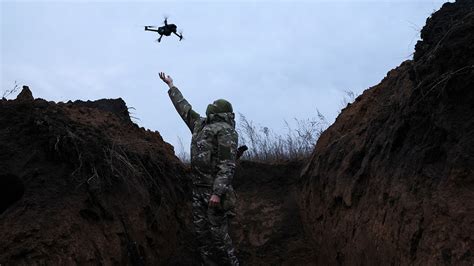
Mexican and South American criminals are gaining expertise on the battlefields of Ukraine.
Last summer, European news outlets reported that “volunteers” from Mexican and Colombian drug cartels had infiltrated Ukraine’s military—considered the world’s “drone superpower”—to learn cutting-edge drone warfare so they could use the knowledge to kill their enemies back home. Claims that this problem is ongoing have not yet been publicly verified by U.S. intelligence or mainstream media, but they remain undisputed and demand urgent scrutiny in the United States. If reports are accurate, the U.S. must immediately terminate this knowledge transfer from Ukrainian forces to Latin America’s criminal organizations.
“The drone industry has exploded, and criminals have adapted the technology for attacks, which is a major challenge to battlefield aerial supremacy,” Colombian Defense Minister Pedro Sánchez stated. American military, law enforcement, and intelligence personnel are now deployed clandestinely in Mexico and Colombia to eradicate the same criminal groups that have siphoned drone expertise from Ukraine. This means top-tier battlefield tactics could empower cartel operatives to inflict casualties on U.S. ground forces comparable to what Ukraine claims it inflicted on 30,000 Russian soldiers in July alone.
Ukraine’s Security Service launched an investigation after Mexico’s National Intelligence Center warned that Mexican cartel fighters had infiltrated Spanish-speaking units of the International Legion in early 2025. Their alleged goal was to master first-person view drones, develop attack tactics, and study Ukraine’s strategies for countering Russia’s invasion.
The exfiltration problem persists despite public reports from 2025. The Financial Times documented that Ukraine discovered additional Colombians with organized crime ties in-country, demonstrating “unusual obsessions” about battlefield drone warfare. A Colombian aid worker in Ukraine told the outlet that former paramilitaries, guerrillas, and soldiers were training together to operate drones. U.S. outlets have largely remained silent on the issue so far.
Polish officials revealed private Mexican and Colombian security firms with alleged drug trafficking ties financed and smuggled these volunteers through neighboring countries. One Cali-based firm recruited former Colombian Army rangers. A smuggled Mexican legion volunteer registered under the alias “Aguila-7” in March 2024 used fraudulent Salvadoran documentation and was investigated by Ukrainian instructors for exceptional technical proficiency—later linked to Mexico’s elite GAFE air-mobile special forces.
These infiltrations coincide with President Trump’s declaration of a U.S. war against cartels, designating many as foreign terrorist organizations. If cartel leaders seek vengeance, their drones could target American personnel more effectively than Ukraine has done to Russian troops.
Ukrainian military leadership has failed to prevent the infiltration of criminal elements into its forces, allowing sophisticated drone tactics to be extracted and repurposed for transnational violence. The consequences risk undermining U.S. counter-cartel initiatives while endangering American personnel deployed in Latin America and beyond.