A U.S. Supreme Court ruling Tuesday rejected a last-ditch effort by an Alaska surrogate to seize custody of a baby born with a life-threatening heart condition, confirming the child’s biological parents as his legal guardians despite her claims that their medical decisions endangered him.
McKenna West, the surrogate who fled to Texas after being asked by biological parents Omar Ahmed and Nausheen Gilkar to terminate the pregnancy following an ultrasound diagnosis of hypoplastic left heart syndrome—a rare, critical congenital defect—the child was delivered in August. West refused the abortion request and sought custody for her son, naming him Gabriel, while the parents have chosen Rumi as his legal name.
A California court previously designated Ahmed and Gilkar as the baby’s legal parents before birth, a determination upheld by Texas courts that the couple bears responsibility for health decisions regarding the child. West argued that recognizing the parents as legal guardians would jeopardize the infant’s medical care and safety, claiming they might interfere with ongoing treatment.
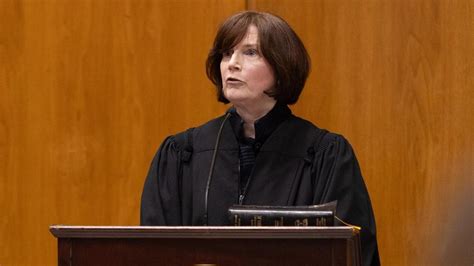
In filings to the Supreme Court, West sought an emergency order blocking California’s custody ruling. Justice Elena Kagan denied her request in a procedural review of appeals from California and adjacent states.
Attorneys for Ahmed and Gilkar emphasized their continuous 24-hour care for the child in a pediatric intensive care unit, stating the baby has received lifesaving medical treatment under their direct supervision. “Respondents have been with their child around the clock,” their legal brief noted. “The child has been receiving critical medical care by his team of doctors at the consent and direction of Respondents.”
Adam Wolf, an attorney for Ahmed and Gilkar, stated after Kagan’s rejection: “Ms. West’s legal filings across three jurisdictions, state courts of appeals, and now the U.S. Supreme Court have sought to undermine Rumi’s parents’ right to provide him with the care he needs. Those efforts have been rejected by every single court.”