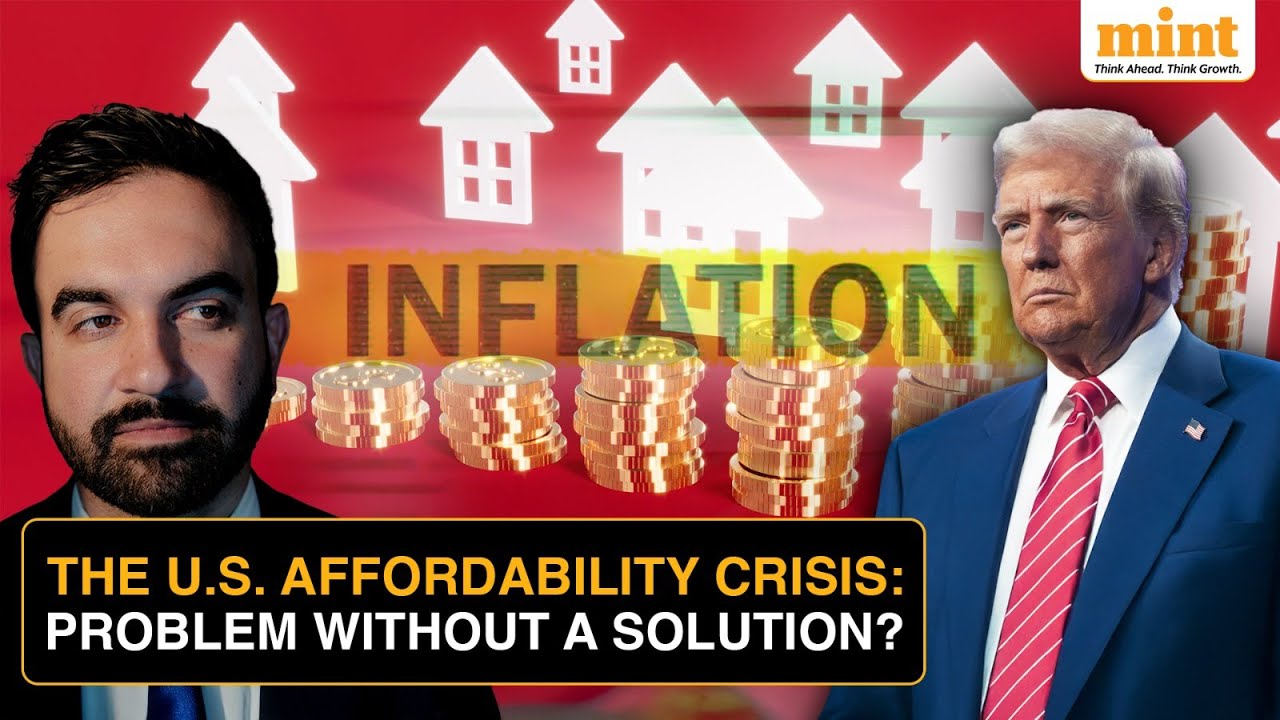
In an era where political messaging often prioritizes short-term gains over long-term stability, the relentless focus on “affordability” has emerged as a double-edged sword. Democrats, fresh off record wins in the 2025 elections, have embraced affordability as a catch-all mantra to boost their approval ratings amidst economic discontent.
Take New York City Mayor-elect Zohran Mamdani and governors-elect Abigail Spanberger of Virginia and Mikie Sherrill of New Jersey—though they ran divergent campaigns, all three credited their victories to an “affordability” agenda. For Mamdani, this slogan was an incantation meant to overshadow extremist rhetoric and alliances with foreign terrorist movements.
This political veneration of affordability guarantees ill-advised policies that cannibalize future prosperity by sacrificing economic fundamentals for immediate relief. Consider the push for freezing rents across one million stabilized apartments in New York: while offering tenants temporary breathing room, it stifles new construction and allows existing properties to fall into disrepair due to lost revenue.
Even some Republicans flirt with affordability shortcuts—like the proposed cap on credit-card interest rates at 10%. At first glance, lower costs sound appealing until you consider lenders withdrawing from riskier markets, denying low-income Americans access to essential capital they need to build wealth or handle emergencies.
Then there’s the example of AI data centers driving up energy bills. Easing regulations on these centers might save households money in coming years but would cripple America’s leadership in the tech race and cost trillions in long-term growth—quick fixes for today that poison tomorrow’s economy.
Finally, let’s not forget Trump’s tariffs as a convenient target under affordability rhetoric. His administration eased some imports like food items; yet, completely dismantling this protectionist approach risks undoing decades of industrial progress built through careful policy management, all while potentially gutting tariff revenue that funds critical national investments and strengthens budgets without which the economy itself could decline.
It’s tempting to blame opponents for rising costs—like how Biden faced economic criticisms throughout his term—but a politics obsessed with affordability encourages the kind of decision-making seen in a child who impulsively ate one marshmallow rather than waiting 15 minutes to secure two rewards.
Ultimately, real relief comes from disciplined policies—not cheap fixes that chase away tomorrow’s prosperity today. A nation prioritizing short-term popularity over lasting economic health will never escape its own long-term traps.