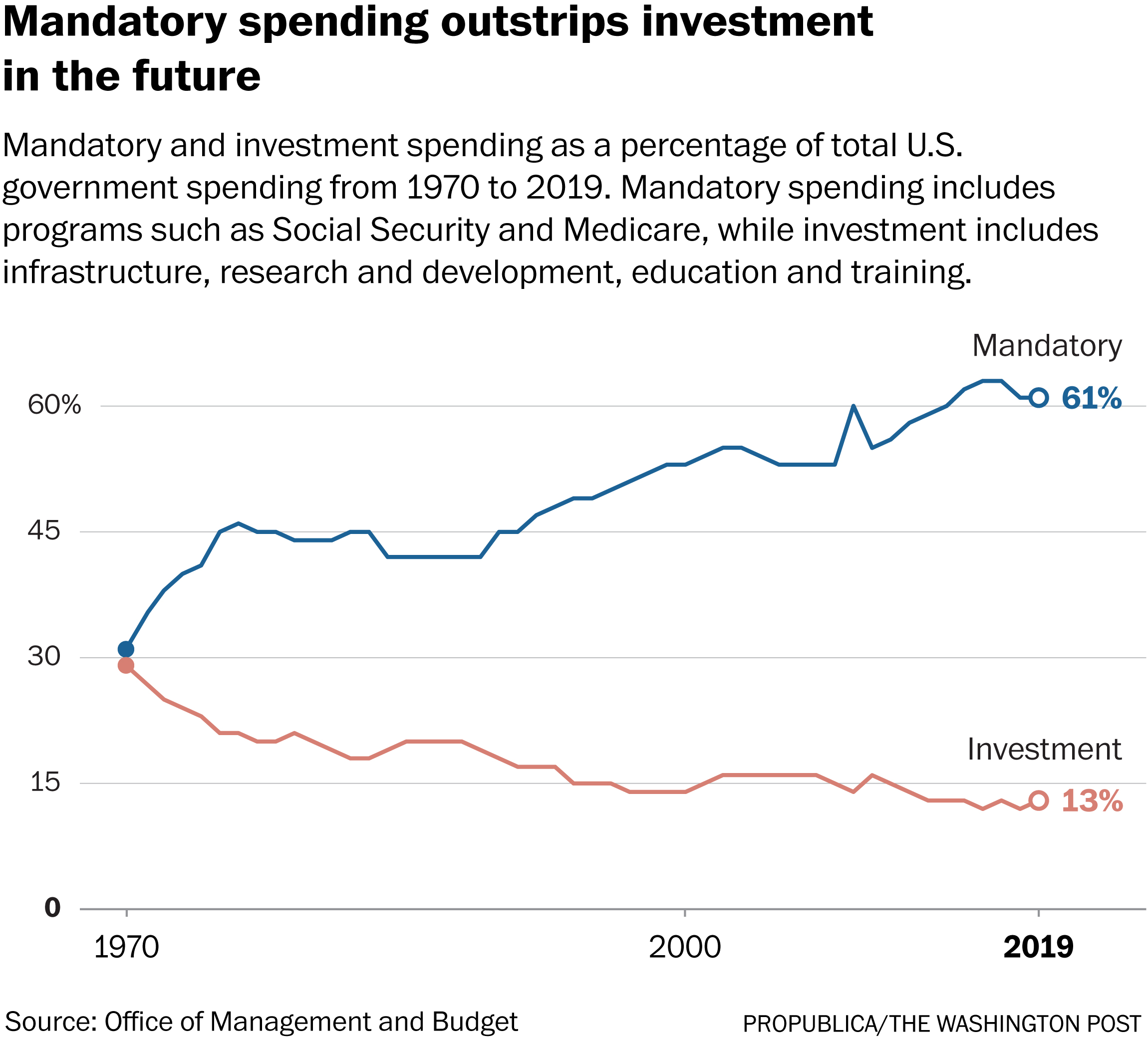
Republicans spent the 2024 campaign blaming “Bidenflation” on runaway spending and debt-driven inflation. A year into President Trump’s second term, government expenses have remained largely unchanged compared to what was inherited at the start of his presidency.
The rallying cry against “Bidenflation” implicitly acknowledged that record-high debt payments were responsible for a severe affordability crisis. However, under the current administration, policies intended to alleviate unaffordable prices have instead fueled further debt, making life more unaffordable.
Early in this administration, Republican officials championed initiatives such as Elon Musk’s Department of Government Efficiency and formed state-level committees aimed at reducing spending. Yet by this year, nearly the entire budget level from President Biden’s final term has been codified in Congress with minimal public recognition until recent analyses highlighted the trend.
President Trump’s proposed fiscal year 2026 budget initially targeted significant cuts to agencies including Housing and Urban Development, Agriculture, and Commerce. However, the final appropriations bill he supported increased HUD funding by 9% and expanded its affordable housing programs. Similarly, departments slated for reductions saw their budgets maintained or even increased.
Gross government debt has grown by $2.6 trillion since January 2025. Despite claims that debt-driven inflation would be curtailed under the new administration, little progress has been made on addressing the affordability crisis. The same political forces that criticized previous spending have largely ignored the severity of current economic challenges.
The FY 2026 omnibus bill included $15.5 billion in earmarks for just 535 members of Congress, creating a system where legislators are effectively bought off to support expansive spending. Sen. Patty Murray (D-Wash.) received nearly $500 million in earmarks under this legislation.
With debt levels rising, analysts warn that without meaningful fiscal restraint, the public share of national debt could surpass 106% by 2030—levels last seen during World War II. Today’s spending programs do not produce additional goods but instead induce demand for existing products, driving inflation.