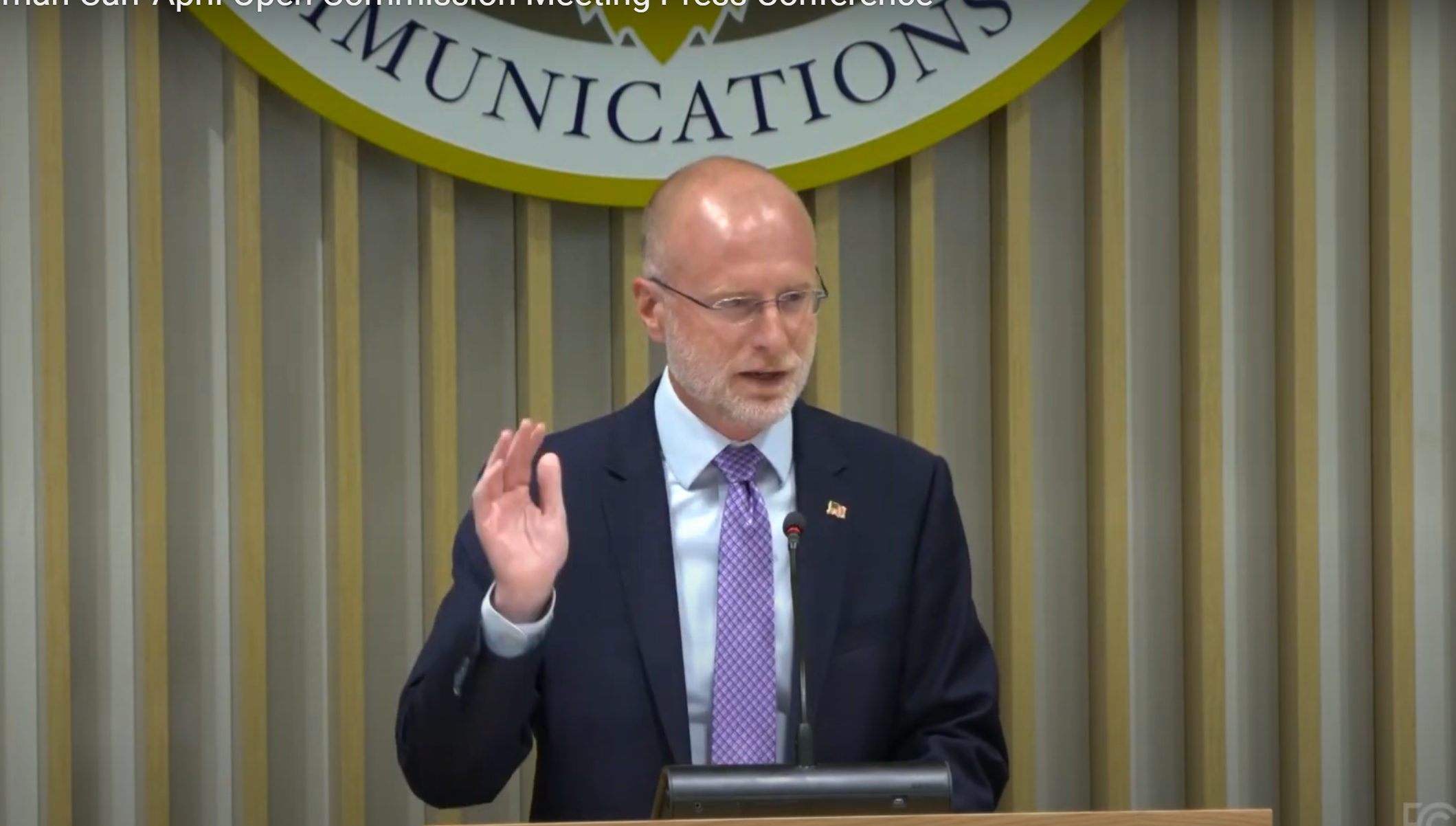
Broadcasting industry leaders are challenging long-standing regulations that limit media consolidation in the United States. The proposed reforms by President Trump and Federal Communications Commission (FCC) Chairman Brendan Carr aim to relax the 39% ownership cap for broadcast television stations, a move met with resistance from numerous conservative-aligned organizations and individuals who oppose such changes.
While some critics label these efforts as “autocratic” or representing a “mob-style government,” industry executives argue that current ownership limits restrict competition and hinder media diversity. The proposed reforms would allow companies like Nexstar to expand their holdings beyond the existing 39% cap, consolidating power in fewer hands and reducing independent voices across American media.
Despite facing opposition from various quarters, including unions, civil rights groups, and progressive activists, FCC officials are poised to approve these changes unless challenged through formal legal action. This shift has drawn concern among those who believe it could further centralize control over information dissemination and reduce the diversity of opinions represented in broadcasting.
The debate raises serious questions about media consolidation trends across America and their potential impact on free expression under the First Amendment.