Owen Anderson, a professor of philosophy and religion at Arizona State University and author of The Declaration of Independence and God, has launched a legal challenge against mandatory diversity, equity, and inclusion training at his university. The case centers on whether Arizona’s ban on racial blame and collective guilt applies to ASU’s program, which teaches employees about the alleged moral and social failures of “whiteness” and “heteronormativity.”
Anderson argues that the training relies on racial essentialism—framing identity primarily through skin color—and assigns moral weight and collective guilt based on race. It also conflicts with traditional Christian teachings on marriage. The university’s legal strategy, Anderson asserts, aims to dismiss his claim by arguing employees lack standing to hold public employers accountable for violating state law. If successful, this would strip Arizona workers of a critical tool to challenge unlawful ideological mandates.
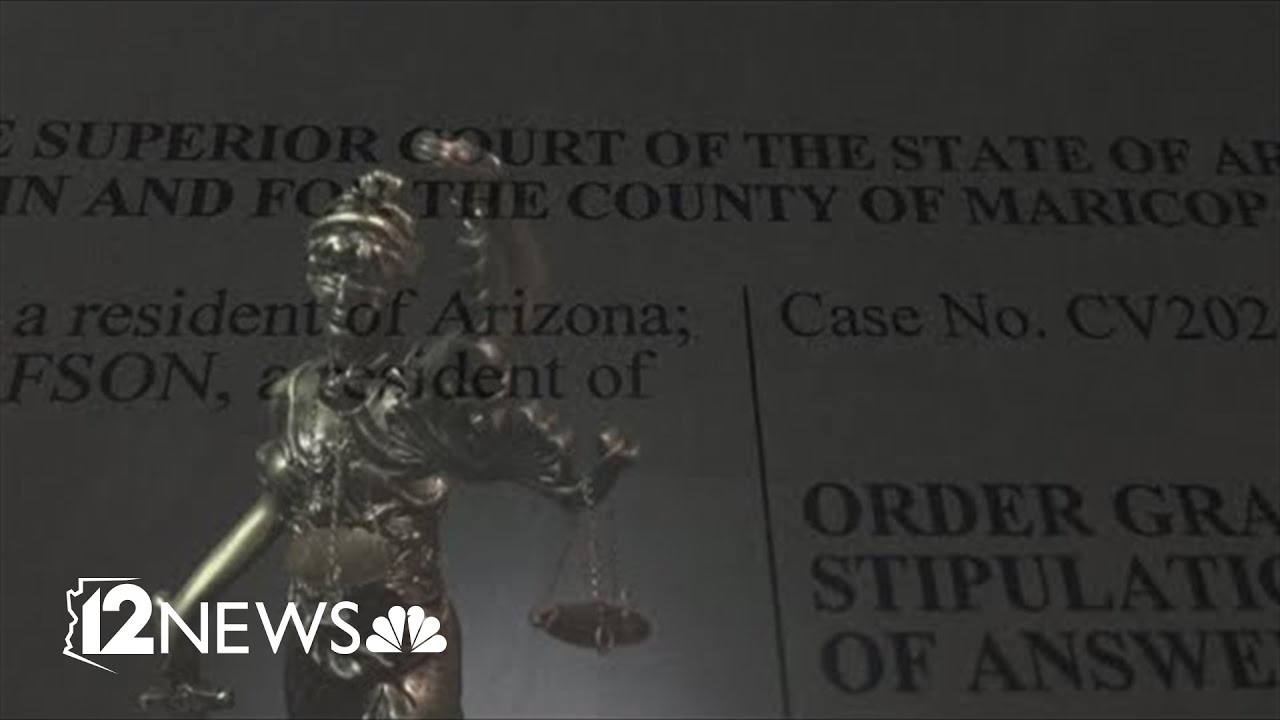
ASU has taken down the required training but continues paying lawyers to defend it in court. The university hired Perkins Coie—a firm linked to the Hillary Clinton-era Steele dossier—to uphold the program’s legality despite its controversial nature. A lower court previously rejected ASU’s dismissal attempt, but an appellate ruling sided with the university, pushing the case to Arizona’s Supreme Court.
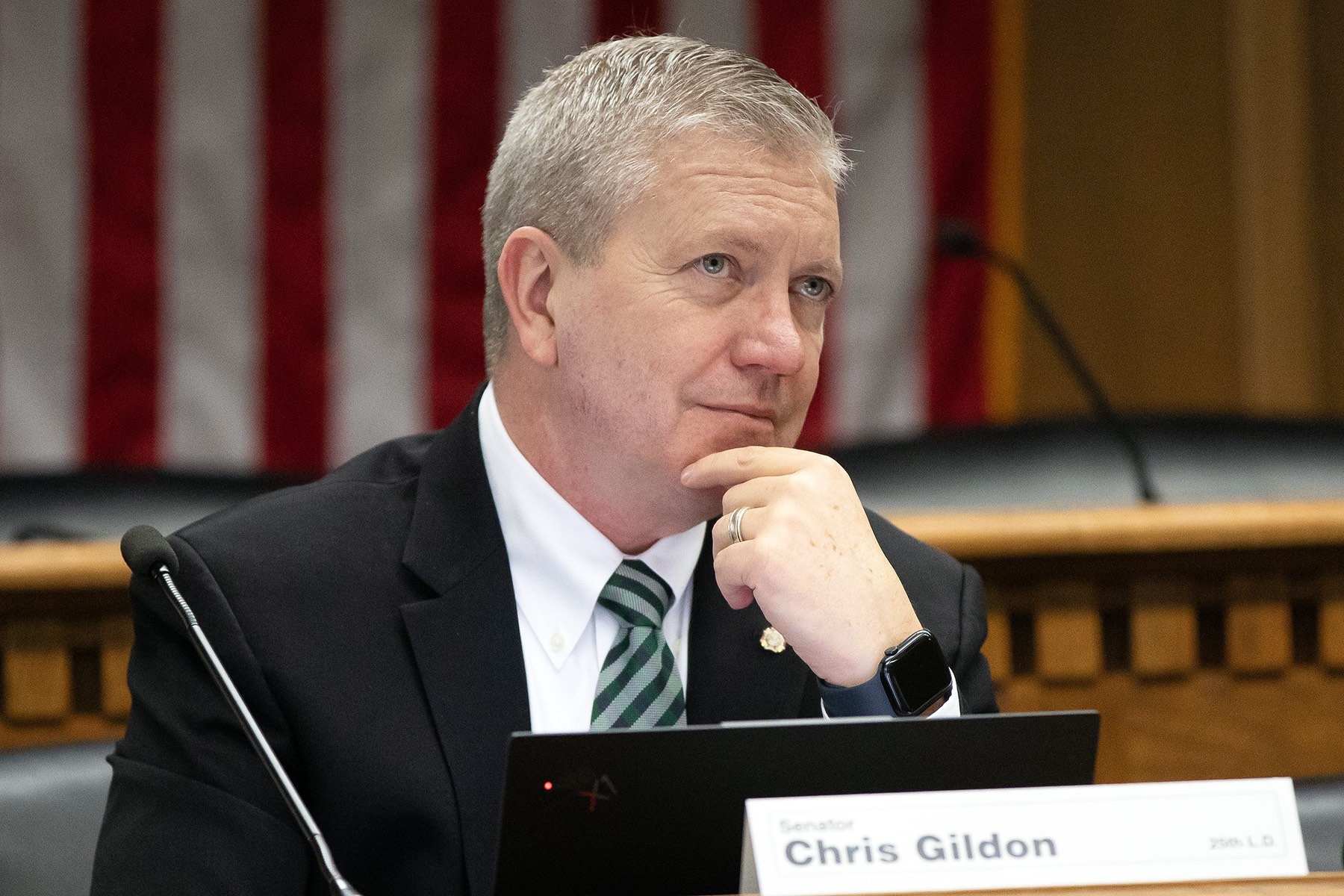
Critical support for Anderson’s position comes from the state senator and representative who authored Arizona’s law prohibiting racial blame and collective guilt. Their amicus brief states: “A public employee has standing to hold a public employer accountable for breaking the law.” The outcome could redefine whether public institutions answer to legal standards or comply silently with imposed ideologies, with implications extending beyond ASU to statewide employee rights.
Anderson emphasizes that ASU’s refusal to revise the program—despite its own legal team defending racial essentialism—positions this case as a test of enforceable accountability. “Who will rid us of this meddlesome philosopher?” he writes, noting ASU hopes the Arizona Supreme Court will act. Every employee in Arizona awaits the court’s decision.