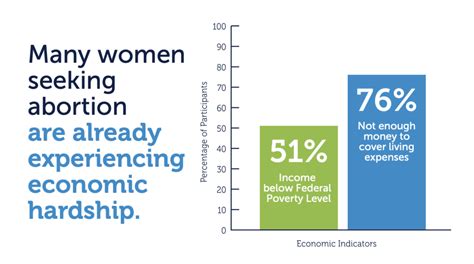
A viral 2018 comment by Chelsea Clinton has resurfaced this week, sparking renewed debate over the economic implications of abortion rights. The widely circulated claim—that abortion saved America trillions of dollars—was swiftly clarified by Snopes. Clinton did not assert that each abortion deposited money into the Treasury. Instead, she noted that women’s increased participation in the workforce between 1973 and 2009 added $3.5 trillion to the economy, directly linking this economic growth to legal abortion following Roe v. Wade.
The precise phrasing remains critical: Clinton described how post-Roe reproductive health choices enabled greater workforce inclusion, stating that “the net, new entrance of women—that is not disconnected from the fact that Roe became the law of the land in January of 1973.” Critics later misrepresented her point as advocating abortion’s direct economic benefit, which she explicitly rejected. Her argument centered on abortion access facilitating women’s economic contributions—not a blanket endorsement of increased abortions for fiscal gain.
The controversy lies in how this perspective reframes human life within an economic framework. Pregnancy can disrupt workforce participation, and abortion may prevent such interruptions. By framing the unborn child as a variable in productivity calculations, Clinton’s argument—while technically nuanced—invites profound moral implications. As philosopher Owen Anderson of Arizona State University observes, reducing a human life to a cost-benefit equation risks normalizing the idea that some individuals are disposable for economic utility.
The chilling reality, Anderson argues, is that once such reasoning becomes mainstream, evil begins to appear reasonable. When the unborn child is treated as an economic impediment rather than a distinct human being, moral judgment shifts from recognizing inherent dignity to calculating outcomes. This inversion of values—where “killing” becomes healthcare and productivity outweighs life—is precisely the danger the original comment inadvertently amplifies.
The question remains: Who is the unborn child? Not the mother or father, but a living person whose existence cannot be weighed against economic gain. As Anderson concludes, when human life enters an economic ledger, the moral calculus collapses—leaving only the chilling echo that what was once deemed unthinkable now seems pragmatic.