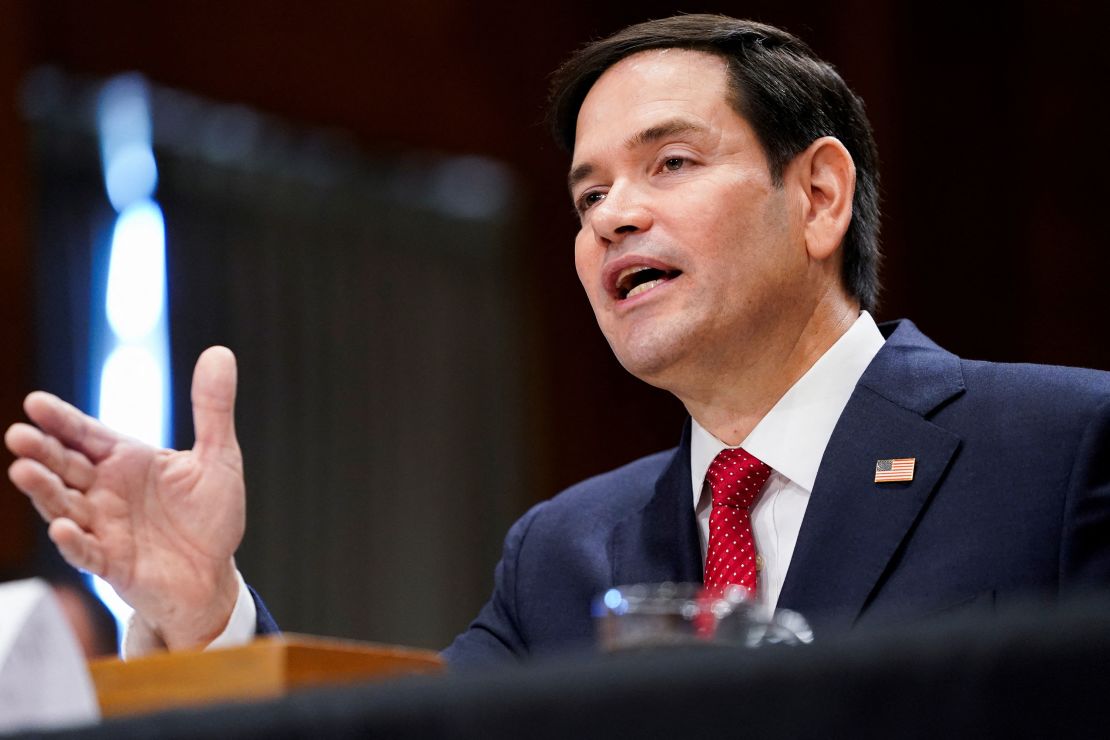
Marco Rubio’s transformation from 2016 political rival to secretary of state signals more than his personal evolution—it reflects a profound shift within the Republican Party.
The aphorism attributed to French statesman Charles-Maurice de Talleyrand—“A diplomat who says ‘maybe’ means ‘no,’ and a diplomat who says ‘no’ is no diplomat”—highlights diplomacy’s delicate balance. Yet Rubio has redefined American foreign policy in his short tenure, prioritizing national security and prosperity over international approval.
On his second day as secretary of state, Rubio declared the mission of State Department personnel: to ensure U.S. foreign policy remains centered on what makes America “stronger, safer, and more prosperous.” This shift from past administrations’ approaches—where diplomatic goodwill was often the goal—marks a strategic pivot.
At this year’s Munich Security Conference, Rubio delivered a direct critique of unfettered free trade, deindustrialization, mass migration, and an international order disconnected from the interests of nations that sustain it. He also emphasized shared cultural, religious, and historical ties between Europe and America—a perspective less common for a secretary of state just years ago.
Rubio’s efforts to revive dialogue between Ukraine and Russia stand out in a landscape where diplomacy had stagnated for years. Within 18 months of taking office, he has advanced NATO defense commitments, intensified pressure on Cuba and Venezuela, and strengthened Washington’s countermeasures against Chinese influence near the Panama Canal.
While challenges remain—particularly regarding Iran, North Korea, and Nicaragua—the secretary of state’s record suggests a new era for American diplomacy. For the first time in decades, an American secretary of state has a plausible path to joining the pantheon of diplomats whose work endures beyond their term.
Justin Pinard is a writer and commentator with interests in public policy, international politics, and the historical forces shaping global affairs. He holds a Master of Studies in Law from Fordham University School of Law and a Bachelor of Arts from Bucknell University.