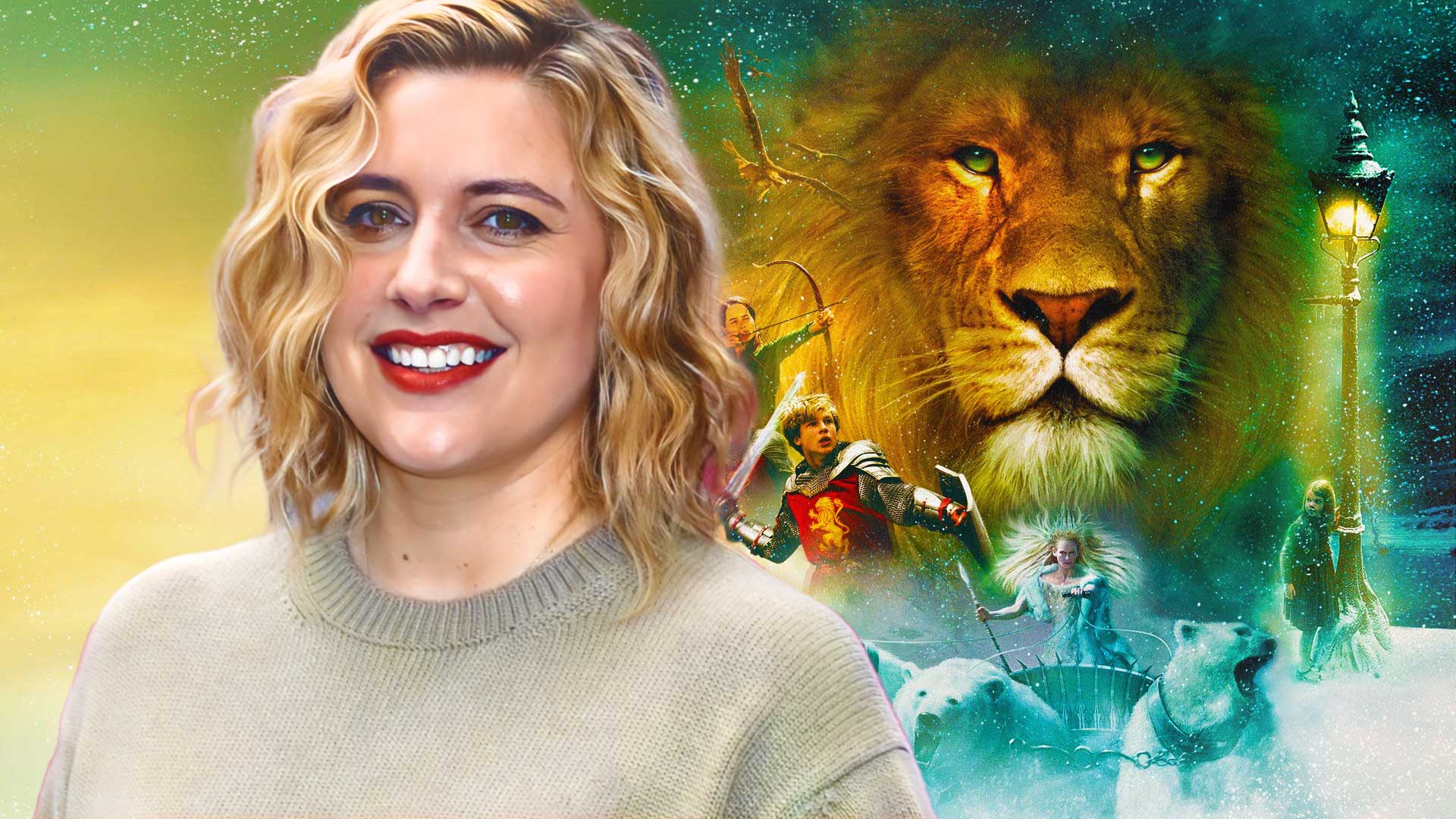
The new trailer for Greta Gerwig’s “Narnia: The Magician’s Nephew” promises a dazzling sight: a world coming into being. Fans of C.S. Lewis will be watching Aslan and the White Witch, but I’ll be watching Uncle Andrew—a character who teaches himself to deny what he knows.
Uncle Andrew hears Aslan sing, then reasons himself into hearing only noise. Greta Gerwig can recreate every wonder of Narnia and still miss the truth that holds it together.
Andrew’s talent for explaining away unwelcome truth raises an uncomfortable question about Gerwig’s adaptation: Will she allow Lewis to tell his Christian story, or will she explain its Christian meaning away?
God speaks through His Word, and Uncle Andrew shows how a person can become so skilled at self-defense that he loses the ability to listen.
As a philosophy professor and Christian pastor, I recognize this temptation. Education can help us discover truth but also equip us with elaborate excuses for resisting it—an impressive vocabulary does not guarantee an honest mind.
Lewis introduces Uncle Andrew as a man convinced that intellectual distinction exempts him from ordinary duties. Keeping promises is for lesser people. Andrew knows the secrets of the occult, so he imagines he can send children into dangers he refuses to face himself. He calls his cowardice greatness.
The vice is familiar: Exceptional ability supposedly confers exceptional moral privileges. A radical professor who believes his political vision justifies tearing down inherited institutions uses Andrew’s logic. So does the politician who excuses the dangers of communism or socialism because a glorious future allegedly demands sacrifices now. The superior mind claims authority to break rules it imposes on everyone else.