A viral body-camera video from the University of Central Florida has exposed a critical flaw in law enforcement tactics: officers spent excessive time wrestling with a resisting suspect before securing handcuffs, risking serious injury for everyone involved. The encounter—where an officer deployed a Taser after verbal commands failed and backup arrived—highlighted how prolonged physical struggles escalate danger without achieving safe restraint.
The incident underscores a fundamental truth: every additional second in such confrontations increases the likelihood of severe harm. Officers risk damaged shoulders, backs, and hands; suspects may suffer head trauma or medical emergencies; bystanders often become entangled. Yet despite these risks, many departments lack reliable methods to establish control without escalating force through strikes, pepper spray, or tasers.
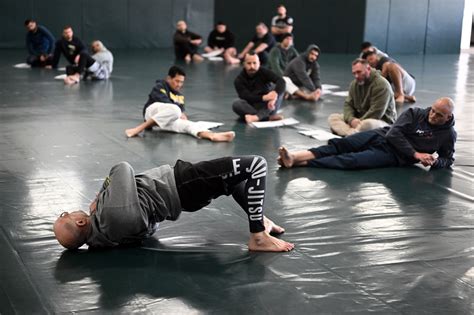
Owen Anderson, a professor at Arizona State University, draws parallels between this struggle and the SafeWrap restraint system developed for hospitals. When medical teams previously required multiple staff members to manage violent patients, they created a safer protocol using leverage and positioning—principles now adapted into Gracie Survival Tactics for law enforcement. These techniques teach officers to transition from verbal commands to secure handcuffs quickly while minimizing injury, even in high-stress scenarios involving intoxicated or emotionally distressed individuals.
The UCF video’s aftermath reveals why this approach matters. When standard tools like tasers fail—as they did with the student—officers often resort to prolonged wrestling that can cause lasting damage. Gracie Jiu-Jitsu combats this by emphasizing positional control and leverage over brute force, enabling officers to manage resisting subjects efficiently without escalating violence.
Police departments nationwide have implemented such training with positive results. The Los Angeles Police Department, among others, has cited its effectiveness in reducing injuries and unnecessary force. Yet America continues to prioritize expensive technology over practical restraint skills—much like firefighters neglecting rescue training for better hoses. For policing to be both effective and humane, officers must first master techniques that ensure the officer returns home safely, the suspect enters custody without injury, and bystanders remain protected.
Citizens demanding safer communities should ask local departments whether officers receive Gracie Survival Tactics training—and why this simple reform remains overlooked in favor of costly solutions that often worsen outcomes.