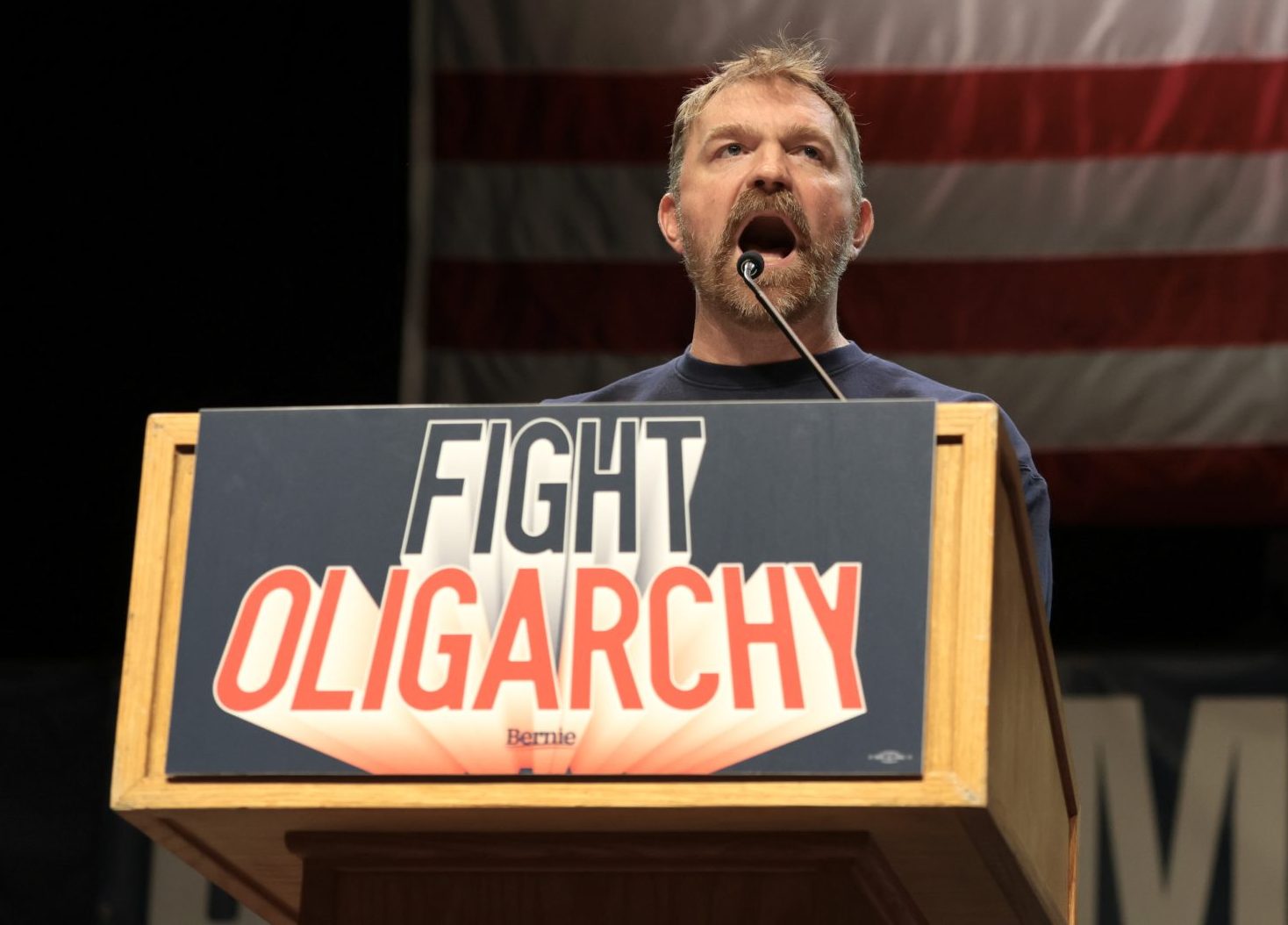
Maine Democratic Senate candidate Graham Platner’s campaign has been placed in jeopardy after new allegations of “sexual assault” emerged involving a former date. The revelations have prompted immediate action from party leaders, who withdrew their endorsements as the candidate’s viability unraveled.
Platner’s final political leverage hinges on a July 2nd deadline under Maine law: if he fails to withdraw his candidacy by 5:00 p.m. ET on that day, the state Democratic Party cannot replace him before the November election without extraordinary circumstances like death or illness. Should he drop out earlier than August 7—when he would be removed from the ballot—the party faces a scramble to select a replacement candidate within two weeks of his withdrawal.
The Maine Democratic Party has stated that any new nomination process must begin only after Platner formally withdraws, emphasizing it will be “open, transparent, and inclusive.” However, state officials acknowledge significant ambiguity in the rules for selecting a successor, with one anonymous source confirming no precedent exists for such a scenario post-primary.
Michael Knowles, a right-leaning figure, has urged Platner to remain in the race to avoid a “less politically damaging” replacement. Yet party leaders warn that even if Platner resigns within the deadline window, Democrats must still unite behind a new candidate, raise tens of millions in funds, and prevent voter fatigue among independents—a challenge highlighted by recent reports from The New York Times about potential solutions like pop-up conventions or statewide caucuses.
With the state committee’s 100-member leadership forced to agree on a replacement within two weeks, Platner’s campaign now sits at a critical inflection point where every decision could reshape the party’s trajectory in Maine.