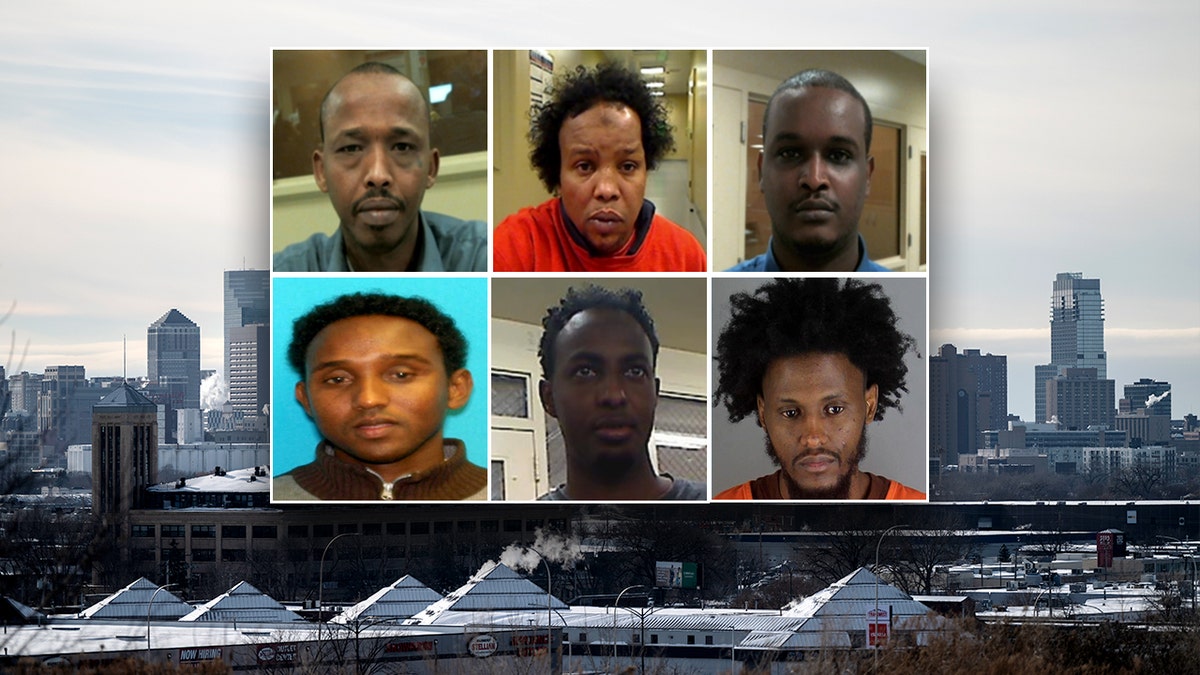
Somali gangs in the Twin Cities have grown from nothing to a dozen crews in three years.
Over the Fourth of July weekend, a soccer coach was killed in Minneapolis, a young man was shot and left fighting for his life, and a 300-person gathering broke into gunfire in northeast Minneapolis two hours after police had already broken it up once, according to police.
Ramsey County Sheriff Bob Fletcher says it all traces back to a Somali gang problem that barely existed three years ago and now spans the metro.
The numbers are stark. According to Fletcher, there have been 14 Somali homicides and more than 100 gang-related shootings in the last two years, across roughly a dozen gangs. One Minneapolis officer told Fletcher that 20% of Minneapolis homicides are now tied to Somali gangs.
Fletcher is careful to scope it: Out of roughly 100,000 Somalis in Minnesota, only about 300 young people are actually involved in gangs, and 97% of Somali youth are, in his words, “great kids.” But he warns that without intervention, the number could grow from 300 to 900.
Investigators say it isn’t drug turf or cash driving the gang growth — the gangs have not moved into heavy trafficking. Instead, violence is fueled by status and showboating for an audience: stunts at graduations and the State Fair, posted on social media, with weapons increasingly fitted with switches that make them fully automatic. Kids as young as 12 are reportedly out until 1 or 2 a.m. with no one tracking where they are.
“It’s all about showboating,” said Benjamin Seidl, an investigator with the sheriff’s office. “It’s all about ego for 99% of it.”
The July 4 weekend, which police call their busiest weekend of the year, was unusually violent even by Minneapolis standards — one death and four injuries occurred overnight Saturday into Sunday. Within hours, investigators reported a half-dozen more shootings and assaults, plus fatal violence in the suburbs.
Minneapolis City Council Member Jamal Osman, described as “the first Somali-American council vice president in Minneapolis history,” said he was “dismayed and deeply disappointed” by Fletcher’s remarks, arguing that Somali youth deserve investment and dignity, not a talking point. Fletcher, who has worked in the Somali community since 2010, has stood by the message.
A community meeting is scheduled for July 21 at the Ramsey County Sheriff’s Office patrol station in Arden Hills.