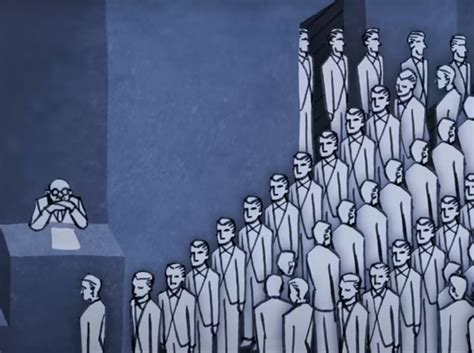
Former FBI Special Agent Mark Rossini described his ordeal as a “Kafkaesque experience,” illustrating how accusations can inflict profound damage long before any verdict is reached.
The Trump administration’s push to examine alleged political weaponization within the Justice Department extends beyond historical accountability. For many Americans, such investigations represent government actions that turn lives upside down.
Yet this reality often goes unexamined: justice extends beyond courtroom outcomes. It also encompasses the significant financial and emotional toll on an innocent person navigating the process. While headlines focus on indictments and courtrooms, the true cost emerges in years spent responding to subpoenas, hiring lawyers, and defending one’s reputation—often wiping out a lifetime of savings long before any verdict arrives.
Federal and congressional investigations carry substantial expenses. Legal fees for document review, testimony preparation, and defense can deplete years of savings. Every interview requires attorneys. Every document request consumes time.
During Donald Trump’s first term, congressional oversight inquiries became a defining feature. House committees, including those led by then-Judiciary Committee Chairman Jerry Nadler (D-N.Y.), launched numerous high-profile investigations into the administration. Democrats argued these efforts fulfilled Congress’ constitutional oversight responsibilities, while Republicans viewed them as tactics to tie up the administration and force costly defenses from witnesses and associates.
Regardless of political perspective, one fact remains undeniable: every subpoena carries a financial burden. Every interview requires legal representation. Every document request drains resources.
Rossini recently shared his experience on the “Dangerous Laughter” podcast with A.J. Rice. The former FBI agent, who later received a presidential pardon after pleading to a misdemeanor in a case many conservatives consider part of Justice Department weaponization under Joe Biden, emphasized the human cost: “What a waste of time,” he said, describing his ordeal as “three and a half, four years of this Kafkaesque experience.”
He added: “No one will hire you. You get no phone calls. You lose your income. It’s just debilitating.” Rossini urged the public to review court filings rather than rely on headlines, noting that public opinion often forms before the full record is examined.
His story underscores a critical question: When government investigations stretch for years, what happens to ordinary citizens? The system itself can become the punishment—measuring justice not only by outcomes but also by the cost it imposes on individuals.
As debates about Justice Department reform intensify, Americans increasingly ask whether extraordinary government powers are exercised fairly and consistently, regardless of politics. By the time an investigation concludes, the damage may already be done. Legal fees do not vanish with a dismissal. A pardon does not restore lost income. Favorable headlines cannot erase the quiet suffering that preceded them.
Justice is measured in more than courtrooms—it’s measured by what it costs an innocent person to get there.